
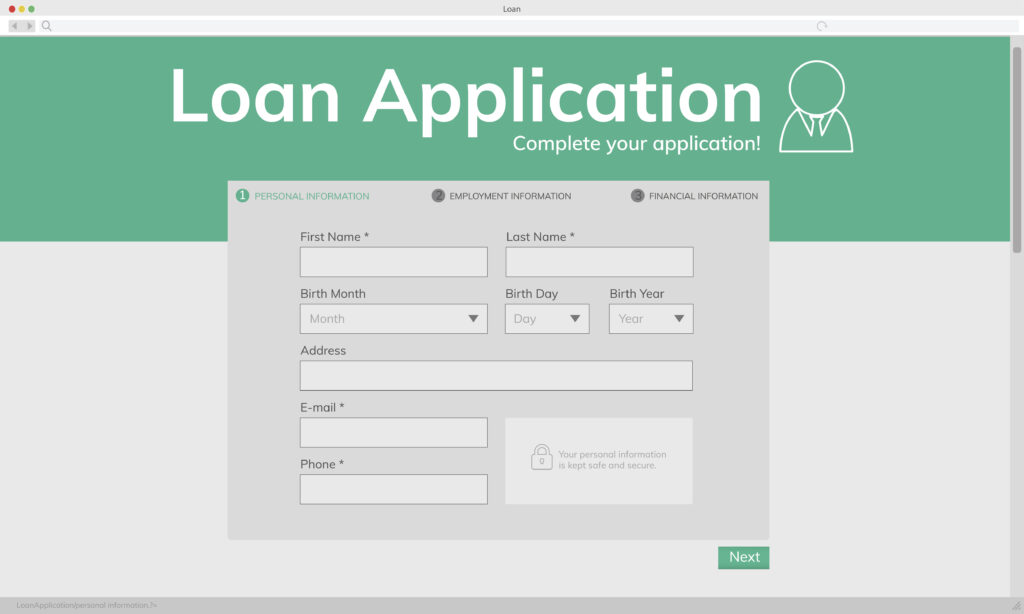
Personal loans have long been a go-to solution for covering major expenses, consolidating debt, or managing short-term financial gaps. Traditionally, borrowers turned to banks or online lenders offering fixed-rate personal loans based on credit history and income verification. While these options still exist, they often come with rigid approval criteria, lengthy underwriting, and limited flexibility.
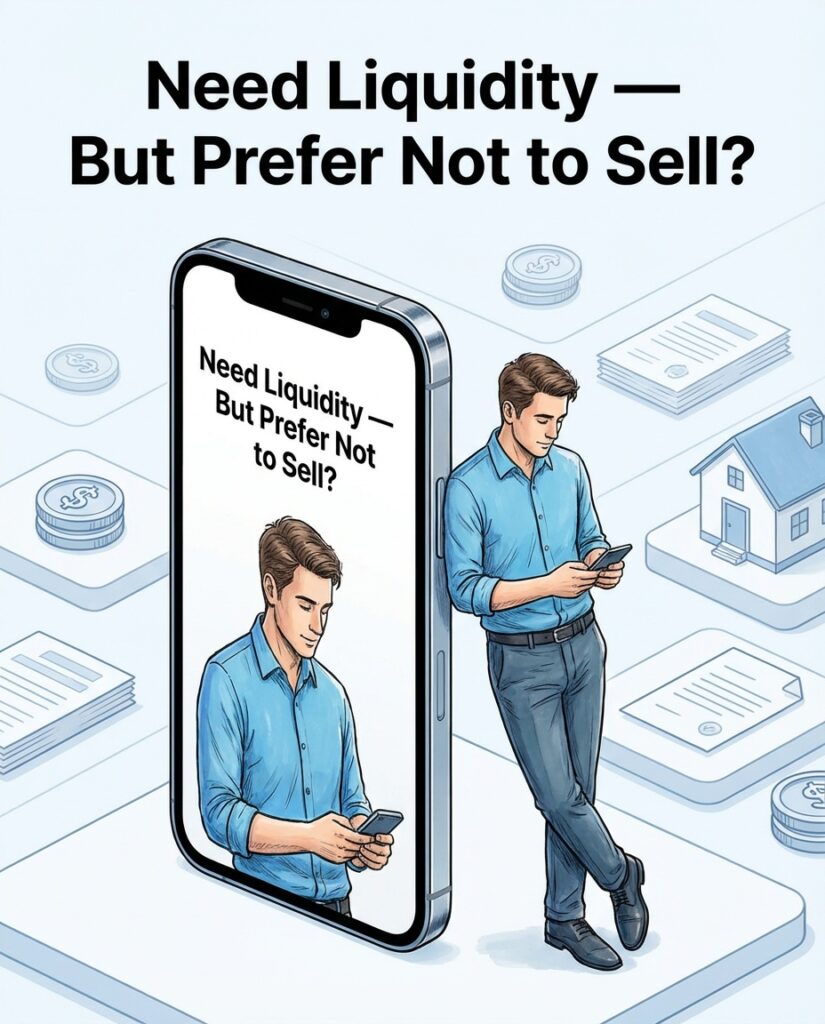
Today, a new alternative is reshaping the personal lending landscape: Bitcoin-backed personal loans. These loans combine the convenience of online borrowing with the power of digital assets, giving Bitcoin holders a way to access liquidity without selling their crypto.
This guide explores how modern personal loans work, why traditional models fall short for many borrowers, and how crypto-backed financing is emerging as a compelling option for individuals seeking flexibility, speed, and financial control.
How Traditional Online Personal Loans Work
Conventional online personal loans are typically unsecured, meaning they don’t require collateral. Approval is based largely on credit score, income stability, debt-to-income ratio, and credit history. Once approved, borrowers receive a lump sum and repay it over a fixed term with interest.
These loans are often marketed as simple and fast, but many borrowers discover limitations after applying. Interest rates can vary widely, especially for those with less-than-perfect credit. Loan amounts may be capped, approval can take days or weeks, and unfavorable credit inquiries can impact long-term financial health.
For individuals with nontraditional income, self-employment, or significant digital asset holdings, these lending models may not fully reflect their financial reality.
The Shift Toward Asset-Based Borrowing
As financial markets evolve, lending is moving beyond credit scores alone. Asset-based borrowing allows individuals to access capital by pledging valuable assets as collateral rather than relying solely on borrowing history.
In traditional finance, this approach has existed for decades through home equity loans, margin lending, and secured business financing. In the digital economy, Bitcoin has become a new form of collateral—portable, verifiable, and globally accessible.
Bitcoin-backed personal loans operate on this principle, offering funding based on the value of crypto holdings rather than past credit behavior.
What Are Bitcoin-Backed Personal Loans?
Bitcoin-backed personal loans allow borrowers to use their BTC as collateral in exchange for fiat or stablecoin funding. Instead of selling Bitcoin to cover expenses, borrowers temporarily lock their assets while retaining ownership.
The loan amount is determined by the loan-to-value ratio, which is based on the current market value of the Bitcoin pledged. Repayment terms vary by provider, but the core advantage remains consistent: access to liquidity without exiting a long-term crypto position.
This structure appeals to borrowers who believe in Bitcoin’s long-term potential but need capital for real-world financial needs.
Why Borrowers Are Rethinking Traditional Personal Loans
Many borrowers initially seek personal loans for reasons such as debt consolidation, medical expenses, home improvements, education costs, or business opportunities. While traditional lenders can address these needs, they often introduce trade-offs.
High interest rates, inflexible repayment schedules, and credit score dependence can make conventional personal loans costly or inaccessible. Additionally, borrowers who already hold appreciating assets may find it inefficient to qualify for unsecured debt when collateral-based options exist.
Bitcoin-backed personal loans offer an alternative that aligns more closely with modern financial behavior.
Speed, Accessibility, and Flexibility
One of the most attractive aspects of crypto-backed lending is speed. Because collateral is digital and verifiable on-chain, loan processing can be significantly faster than traditional underwriting.
Borrowers are not required to provide extensive income documentation or undergo prolonged credit checks. This accessibility makes Bitcoin-backed personal loans particularly appealing to freelancers, entrepreneurs, and global borrowers who may not fit traditional lending profiles.
Flexibility also plays a key role. Some platforms offer interest-only payments, adjustable terms, or early repayment options without penalties.
Using Bitcoin-Backed Loans Responsibly
While crypto-backed financing offers clear advantages, responsible use is essential. Bitcoin is a volatile asset, and price fluctuations can impact collateral requirements. Borrowers must understand margin thresholds, potential liquidation risks, and repayment obligations before committing.
Financial empowerment comes from aligning loan usage with realistic cash-flow planning. Borrowers should avoid over-leveraging and ensure they have a repayment strategy that accounts for market volatility.
Used wisely, Bitcoin-backed personal loans can complement a broader financial plan rather than replace it.
Comparing Use Cases: Traditional vs. Bitcoin-Backed Loans
Traditional personal loans often work best for borrowers with strong credit profiles seeking predictable payments. Bitcoin-backed loans, on the other hand, appeal to individuals who prioritize asset retention and flexibility.
For example, a borrower consolidating high-interest credit card debt may benefit from lower effective costs using crypto collateral. Someone funding a business expansion may prefer accessing capital quickly without diluting investment positions.
The choice ultimately depends on financial goals, risk tolerance, and asset composition.
The Role of Crypto Lending Platforms
As crypto-backed lending matures, specialized platforms have emerged to facilitate these transactions. These platforms focus on custody, risk management, and transparent loan terms tailored to digital assets.
Services like omnilender.org operate within this ecosystem by connecting borrowers to crypto-secured lending options that prioritize flexibility and asset preservation. By bridging traditional financial needs with blockchain-native collateral, these platforms support a more inclusive lending model.
Financial Planning in the Crypto Era
Modern personal finance is increasingly hybrid. Many individuals hold both traditional assets and digital currencies, earn income from multiple sources, and manage finances across borders.
Bitcoin-backed personal loans fit naturally into this environment. They allow borrowers to unlock liquidity without disrupting long-term investment strategies, offering a middle ground between selling assets and taking on unsecured debt.
When combined with budgeting tools, emergency planning, and income diversification, crypto-backed lending becomes part of a comprehensive financial toolkit.
Education and Transparency Matter
As with any financial product, education is critical. Borrowers should understand how interest accrues, how collateral is stored, and what happens in adverse market conditions.
Empowered borrowers take the time to read loan agreements, compare options, and assess platform credibility. Transparency and due diligence are essential components of responsible crypto lending.
Final Thoughts: A New Chapter for Personal Loans
Personal loans are evolving. While traditional online lenders continue to serve many borrowers, they are no longer the only option. Bitcoin-backed personal loans represent a shift toward ownership-based finance, where access to capital is tied to assets rather than credit history alone.
For Bitcoin holders seeking liquidity without selling, this model offers a powerful alternative. By blending the convenience of online lending with the flexibility of digital assets, crypto-backed personal loans are redefining what modern borrowing can look like.
As financial tools continue to evolve, understanding and leveraging these options responsibly can help borrowers build a more adaptable and resilient financial future.


One Response