
Unlock liquidity without selling your Bitcoin. Learn how to borrow against Bitcoin without selling: access cash, avoid triggering capital gains taxes, and maintain your long-term upside in this comprehensive guide.
How to Borrow Against Bitcoin Without Selling: A Guide to Accessing Cash While Keeping Your Long‑Term Upside
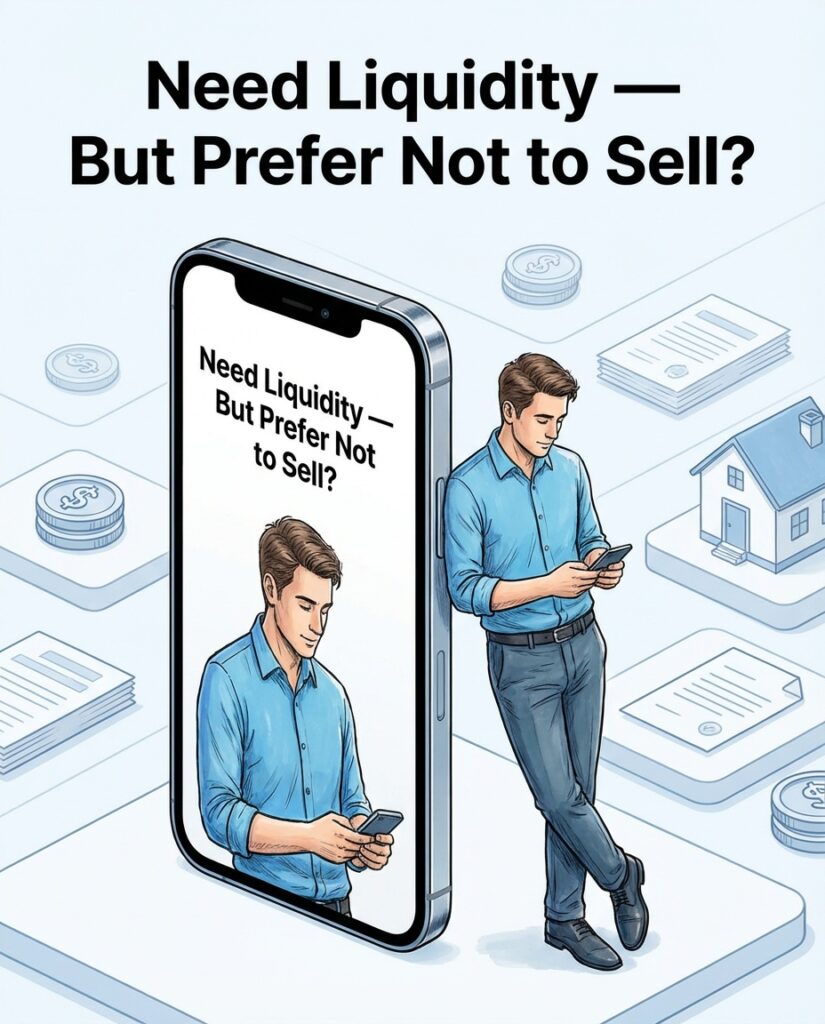
You bought Bitcoin, and it has done well. That’s great news, but there’s a catch: you can’t use that value to pay for a new car or cover an unexpected bill. For most owners, the choice has always been to either sell the asset or simply continue holding it.
The thought of selling, however, brings its own problems—a potentially hefty tax bill and the sting of missing out on future growth. This dilemma creates a need for a third option: a way to get cash and keep your Bitcoin. That option exists, and it works much like a home equity loan. By borrowing against your Bitcoin, you can access cash without selling. This guide walks through the process step-by-step, helping you decide if it’s the right move.
What Is a Bitcoin-Backed Loan and How Does It Work?
A Bitcoin-backed loan works like a home equity loan. With a home equity loan, your house serves as collateral. A Bitcoin-backed loan uses the same principle, but your digital Bitcoin secures the cash loan instead of a physical house.
You transfer your Bitcoin to a secure account controlled by the lender, where it acts as insurance for the loan. You still own the Bitcoin and will get it back upon repayment, but you cannot sell or trade it while the loan is active. The core exchange is simple: you receive cash in your bank account, and the lender holds your Bitcoin as collateral until the loan is paid.
How Much Cash Can I Actually Borrow Against My Bitcoin?
The amount you can borrow isn’t the full value of your Bitcoin. Lenders use a key metric called the Loan-to-Value (LTV) ratio to decide. This is the percentage of your collateral’s worth they are willing to lend you. Most lenders offer LTVs between a safe 25% and a higher-risk 50%.
For example, if you have $10,000 worth of Bitcoin and choose a 50% LTV, you can borrow a maximum of $5,000. The math is straightforward: Your Bitcoin’s Value x LTV Ratio = Maximum Loan Amount. This formula helps you quickly estimate how much cash you can access.
While a higher LTV gets you more cash upfront, a lower LTV is significantly safer. Choosing a 25% LTV on your $10,000 of Bitcoin means you’d only borrow $2,500, but it creates a much larger safety cushion if the price of Bitcoin falls. This buffer is crucial for managing the biggest risk involved in these loans: price volatility.
The #1 Risk: What Happens if Bitcoin’s Price Crashes?
The main risk of borrowing against Bitcoin stems from its well-known volatility. Unlike the housing market, which tends to move slowly, crypto prices can drop significantly in a short time. If a steep drop happens, the value of your collateral can shrink, and your loan could suddenly become much riskier for the lender.
If your collateral’s value falls below a certain threshold, the lender issues a margin call. This is an automated warning that your loan is no longer safely backed and requires you to act.
If you’re prepared, a margin call isn’t a disaster. You have two options to resolve it: add more Bitcoin to your collateral or pay down a portion of the loan. Either action restores your safety cushion and brings the loan back into good standing.
However, if you fail to act on a margin call, the lender is forced to protect their position by selling some of your Bitcoin to repay the debt. This is called liquidation, and it results in a permanent loss of the crypto you were trying to hold onto.
Two Key Benefits: Keeping Your Upside and Avoiding a Tax Hit
The most powerful benefit is accessing cash without selling. Since you still own the Bitcoin used as collateral, you retain your position and don’t miss out on potential future price gains. This approach solves an immediate cash need while keeping your long-term investment strategy intact.
Another key advantage involves taxes. When you sell an investment like Bitcoin for a profit, it creates a taxable event, meaning you’ll likely owe the government a percentage of your gains. A loan, however, is not a sale. Since you are only borrowing, the transaction generally doesn’t trigger capital gains tax, potentially saving you a significant amount of money come tax time.
Together, these benefits offer a powerful financial option for solving an immediate cash need—like a down payment or unexpected expense—without creating a big tax bill or being forced to sell an asset you believe in.
How to Get a Bitcoin-Backed Loan in 3 Simple Steps
The process to secure a Bitcoin-backed loan is refreshingly direct and involves three main steps:
- Choose a reputable lending platform.
- Complete the application and deposit your Bitcoin.
- Request your loan and receive the cash.
The most important task is researching reputable lending platforms. Once you choose a company, the application is usually completed online. Unlike traditional bank loans that can take weeks, crypto-backed loans are often funded within a few business days, making them a powerful tool for time-sensitive financial needs.
Is Borrowing Against Your Bitcoin the Right Move for You?
Instead of an asset you can only hold or sell, Bitcoin can also serve as collateral for cash. Understanding the benefits of these loans—alongside the serious risks—allows you to weigh this powerful option against your financial situation.
This path is best for long-term holders who have a specific cash need and a high tolerance for volatility. If the risk of a margin call and potential liquidation is too stressful, a traditional loan is a safer choice. The right decision ultimately depends on your personal risk tolerance.
If you decide to proceed, consider starting small. A loan with a very low LTV allows you to test the process with minimal risk. Using Bitcoin strategically means knowing when to borrow and when to wait.