
Explore the advantages of low LTV crypto loans with 247bitcoinloan.com. Secure cash without selling your assets and enjoy competitive crypto lending rates.
Low LTV Crypto Loans
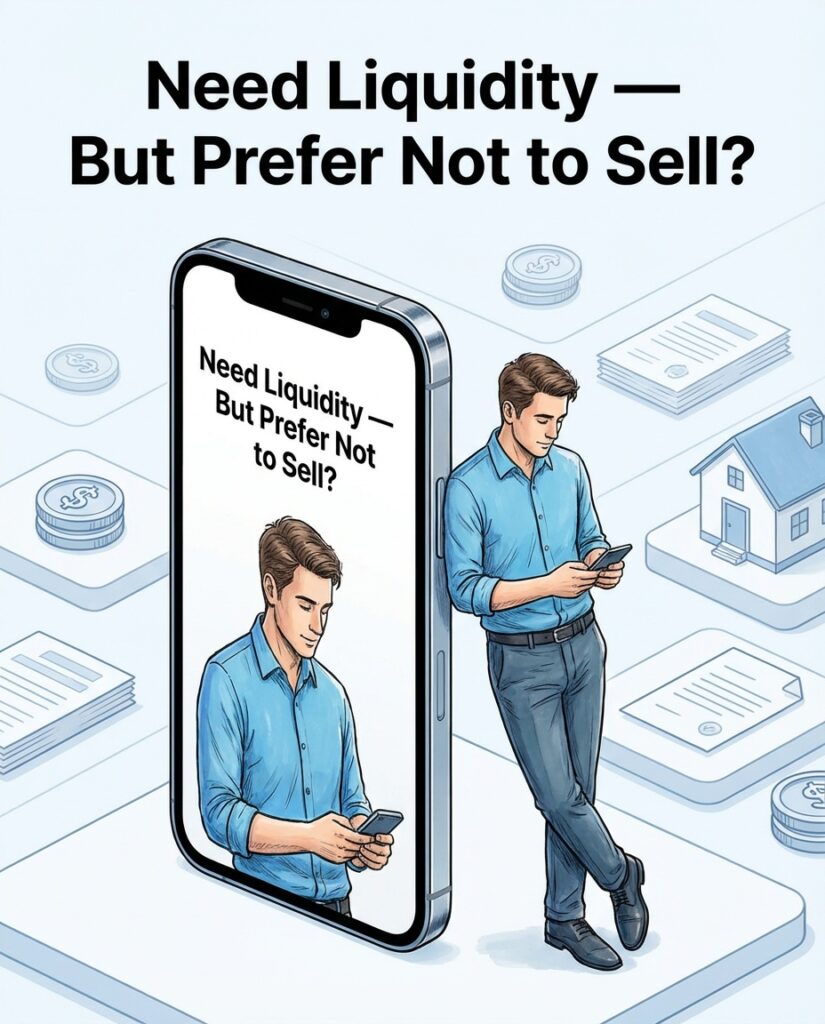
Ever faced a surprise expense and thought about selling your Bitcoin? For many owners, that’s a painful choice. Selling not only means a potential tax bill on your profits but also giving up an asset you believe in for the long term. Fortunately, there’s another way to get cash without selling your Ethereum or other digital holdings.
Much like a homeowner can borrow against their house, you can now get a loan against Bitcoin without selling it. This approach allows you to use your crypto as collateral to receive cash. You get the money you need, and your original investment stays in your portfolio, poised for its future potential.
The key to doing this safely pivots on one crucial concept. When weighing crypto loans vs selling crypto, understanding a simple ratio called Loan-to-Value (LTV) separates a smart financial move from a risky one.
What Does “Loan-to-Value” (LTV) Actually Mean?
The concept of Loan-to-Value, or LTV, originates in traditional finance. Think of it like a home loan. If your house is worth $500,000 and the bank lends you $400,000, your LTV is 80%. It’s simply a percentage that shows the loan’s size compared to the value of the asset you’re using as collateral.
This same principle is the key to how crypto loan collateral works. You calculate your LTV by dividing the loan amount you want by your crypto’s current market value. For instance, borrowing $2,500 in cash against $10,000 worth of Bitcoin gives you a 25% LTV ($2,500 ÷ $10,000).
Ultimately, this percentage is more than just a number—it’s a quick measure of risk. A high LTV means your loan is large relative to your collateral, while a low LTV signifies a much smaller, safer loan. In the volatile world of crypto, that difference is everything.
Why a Low LTV is Your Best Friend in Crypto Lending
Given crypto’s well-known price swings, a low LTV acts as your personal safety buffer. This practice is called overcollateralization, which simply means you’re putting up significantly more collateral than the loan is worth. It’s the core strategy for borrowing safely in a volatile market, protecting both you and the lender from sudden price drops.
For example, with a 25% LTV, your $10,000 in crypto collateral secures only a $2,500 loan. This creates a huge cushion. Bitcoin’s price would have to fall dramatically before your loan is in any real danger, giving you peace of mind that a small market dip won’t cause a major problem.
Lenders love this kind of safety, too, and often reward low-LTV loans with lower interest rates. But while a big buffer is your best defense, it isn’t foolproof. What happens if the market takes a truly massive dive and that cushion disappears?
The Biggest Risk: What is a Margin Call or Liquidation?
Even with a large safety buffer, a severe market crash can shrink the value of your crypto collateral. When its value falls too close to your outstanding loan amount, the lender’s own money is put at risk. To protect themselves, they have an automated two-step safety process.
First, you’ll receive a margin call. Think of this as a “low fuel” warning for your loan. It’s a notification from the lender asking you to restore your loan’s health, either by adding more crypto to your collateral or by paying back part of the loan. This is your chance to act before the situation gets worse.
If you don’t respond to the margin call and the price of your crypto continues to fall, the lender will automatically sell some of your collateral to cover the debt. This forced sale is called liquidation. It is the ultimate backstop for the lender and the primary risk to understand when borrowing against volatile assets.

How to Proactively Avoid a Crypto Loan Liquidation
Fortunately, you are almost entirely in control of preventing liquidation. Making your crypto-backed loan safe isn’t about perfectly predicting the market; it’s about setting yourself up for success from day one with a defensive strategy.
The single most effective tool you have is choosing a very low Loan-to-Value (LTV) ratio. While a platform might let you borrow up to 50% LTV, a much safer range for borrowers is between 15-25%. By borrowing far less than your crypto is worth, you create a massive price cushion that can absorb even a major market downturn without triggering a margin call.
Beyond starting smart, you need a clear plan for how you would handle a margin call. Don’t wait for the warning email to decide. Before you even take the loan, make a simple choice:
- Start with a very low LTV (e.g., 15-25%).
- Have a plan: Know if you will add more crypto or pay back cash if a margin call occurs.
Why Not Just Sell? The Two Big Benefits of Borrowing Instead
Despite the risk of liquidation, borrowing offers two powerful advantages that selling doesn’t.
First, and most importantly, are taxes. When you sell your crypto for more than you paid for it, that profit can create a tax bill. A loan, on the other hand, isn’t a sale. Because you are simply borrowing cash that you intend to repay, it’s generally not considered a taxable event, allowing you to get cash without an immediate bill from the tax man.
Furthermore, borrowing means you don’t actually part with your investment. You get the cash you need today while still holding onto your Bitcoin or Ethereum. If the value of those assets increases down the road, you benefit from that growth because you never had to sell.
Is a Crypto Loan Right for You?
Understanding Loan-to-Value (LTV) is the key to safely accessing cash from your crypto. By keeping your LTV low, you can confidently manage the central trade-off of a crypto-backed loan.
The decision boils down to this simple balance sheet:
- Pros: Get cash without selling, potentially avoid taxes, keep your upside.
- Cons: Risk of liquidation in a crash, you must pay interest, the loan requires monitoring.
With this knowledge, you can move forward with confidence. Before seeking the best crypto lending platforms for beginners or a crypto loan interest rates guide, ask yourself: Is my need for cash worth the risk and cost of borrowing?