
As Bitcoin adoption continues to grow, understanding how to store and protect your digital assets has become just as important as learning how to buy or use them. At the center of Bitcoin ownership is the Bitcoin wallet, a tool that allows you to manage, secure, and access your BTC.
Whether you’re holding Bitcoin long term, using it as collateral for a loan, or integrating it into a broader financial strategy, choosing the right wallet and securing it properly is essential. In this guide, we’ll explain what a Bitcoin wallet is, how it works, the different types available, and the best practices for keeping your Bitcoin safe.
What Is a Bitcoin Wallet?
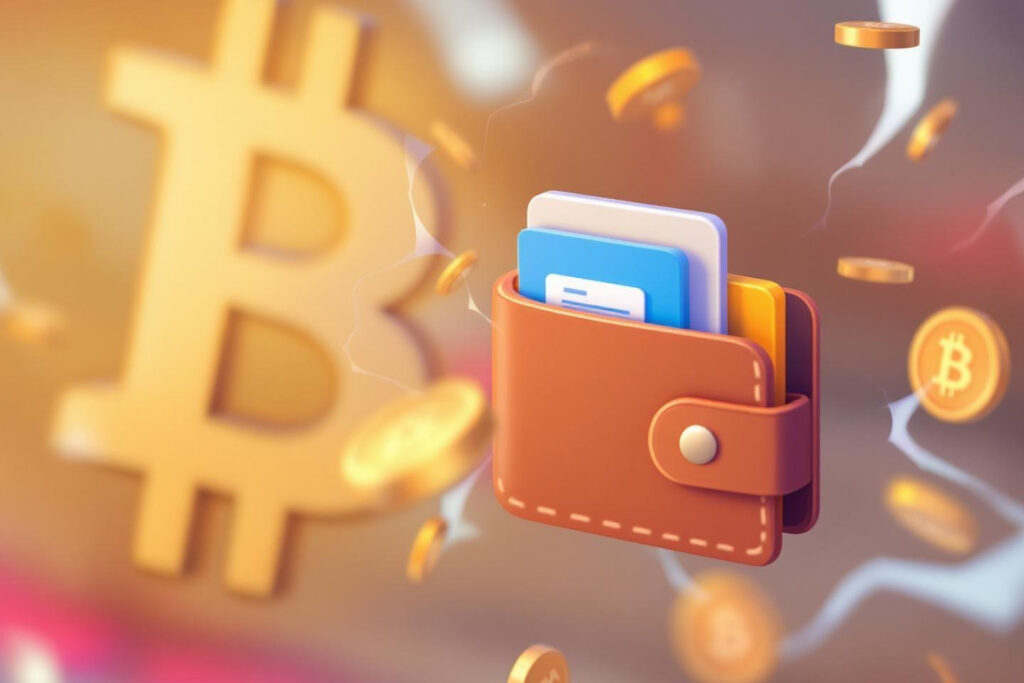
A Bitcoin wallet is a digital tool that allows users to store, send, receive, and manage Bitcoin. Unlike a physical wallet that holds cash, a Bitcoin wallet does not store coins directly. Instead, it stores private keys, cryptographic credentials that prove ownership and allow access to Bitcoin recorded on the blockchain.
Whoever controls the private keys controls the Bitcoin. This makes wallet security one of the most critical aspects of crypto ownership.
Bitcoin wallets can exist in many forms, from mobile apps and desktop software to physical hardware devices and offline paper backups.
How Bitcoin Wallets Actually Work
Bitcoin operates on a public blockchain, where all transactions are recorded transparently. A wallet interacts with this blockchain by using cryptographic keys.
Each wallet includes:
- A public key, which generates wallet addresses used to receive Bitcoin
- A private key, which authorizes transactions and grants control over funds
When you send Bitcoin, your wallet uses the private key to sign the transaction. When you receive Bitcoin, it is recorded on the blockchain under your address. The wallet simply gives you access to that balance.
This design eliminates the need for banks but places responsibility directly on the user.
Types of Bitcoin Wallets
Not all Bitcoin wallets offer the same level of security or convenience. Understanding the differences helps you choose the right option based on your goals.
Hot Wallets
Hot wallets are connected to the internet and are commonly used for everyday transactions.
Examples include:
- Mobile wallets
- Web-based wallets
- Desktop wallets
Hot wallets are convenient and easy to use, but they are more exposed to online threats such as phishing, malware, and hacking.
Cold Wallets
Cold wallets store private keys offline, significantly reducing exposure to cyber risks.
Common cold wallet types include:
- Hardware wallets
- Paper wallets
- Air-gapped devices
Cold storage is widely considered the most secure option for long-term Bitcoin holdings.
Custodial vs. Non-Custodial Wallets
Another key distinction is whether a wallet is custodial or non-custodial.
Custodial wallets are managed by third-party platforms, such as exchanges or lending services. The provider controls the private keys on your behalf.
Non-custodial wallets give you full control over your private keys. No third party can access your Bitcoin unless you share credentials.
While custodial wallets offer ease of use, non-custodial wallets provide greater autonomy and security, especially for long-term holders.
Why Bitcoin Wallet Security Matters
Bitcoin transactions are irreversible. If private keys are lost or stolen, funds cannot be recovered. This makes wallet security fundamentally different from traditional banking, where accounts can often be restored.
Security matters even more for users who:
- Hold Bitcoin as a long-term reserve
- Use BTC as collateral for loans
- Store significant balances
- Participate in decentralized finance
A compromised wallet can result in permanent loss, making proactive security measures essential.
Best Practices to Secure Your Bitcoin Wallet
Protecting your Bitcoin requires a layered approach to security.
Use Strong Backup Procedures
Most wallets generate a seed phrase, a series of words that can restore your wallet if your device is lost or damaged. This phrase should be:
- Written down offline
- Stored in a secure, private location
- Never shared digitally
Enable Additional Authentication
Where supported, use:
- Strong passwords
- Two-factor authentication
- Device-level encryption
These measures reduce the risk of unauthorized access.
Keep Software Updated
Wallet software updates often include critical security patches. Running outdated software can expose you to known vulnerabilities.
Avoid Phishing Attempts
Always verify wallet URLs, avoid suspicious links, and be cautious with unsolicited messages asking for private information. Legitimate services will never ask for your private keys.
Bitcoin Wallets and Bitcoin-Backed Loans
For Bitcoin holders exploring liquidity options, wallet security plays a direct role in Bitcoin-backed lending.
When using Bitcoin as collateral, funds are typically transferred from a personal wallet to a lender-controlled custody solution for the duration of the loan. Understanding wallet mechanics helps borrowers:
- Verify collateral transfers
- Confirm custody arrangements
- Track loan-related transactions
Some crypto lending platforms, such as OmniLender, facilitate borrowing against Bitcoin while holding collateral securely during the loan term. As always, users should review custody practices and loan terms carefully.
Choosing the Right Wallet for Your Needs
The best Bitcoin wallet depends on how you plan to use your Bitcoin.
For frequent transactions, a reputable hot wallet may be sufficient. Long-term holding or reserve strategies, cold storage is often preferred. For those combining holding with borrowing, maintaining a secure personal wallet alongside a clear understanding of collateral custody is essential.
Many experienced users use multiple wallets, separating long-term holdings from transactional funds.
Common Bitcoin Wallet Mistakes to Avoid
Some of the most common wallet-related mistakes include:
- Storing seed phrases digitally
- Reusing weak passwords
- Keeping large balances on exchanges
- Falling for phishing scams
- Failing to test wallet backups
Avoiding these errors significantly improves long-term security.
How Bitcoin Wallets Fit Into a Broader Financial Strategy
A Bitcoin wallet is more than a storage tool, it’s a foundation for participating in the Bitcoin economy.
Wallets enable:
- Long-term wealth preservation
- Secure participation in Bitcoin-backed lending
- Asset-based borrowing strategies
- Decentralized financial independence
When combined with conservative borrowing practices and strong security habits, Bitcoin wallets support a more flexible and resilient financial approach.
Final Thoughts
Understanding what a Bitcoin wallet is and how to secure it is essential for anyone holding or using Bitcoin. From safeguarding private keys to choosing the right storage method, wallet security directly impacts your ability to protect and leverage your digital assets.
Whether you’re holding Bitcoin as a long-term reserve, using it for transactions, or exploring Bitcoin-backed loans, a secure wallet is the cornerstone of responsible crypto ownership.